Collection: Rehabilitation Equipment

Supports and cushions manage a problem. Rehabilitation is what actually resolves one. If your ankle keeps rolling, your heel pain returns every few months, or your feet tire far sooner than they used to, the missing piece is usually strength rather than another product to wear.

Our rehabilitation range covers the practical tools for that work. Bands, balance trainers, rollers and stretch aids that let you rebuild strength, mobility and control at home, a few minutes at a time.

Have a browse below, or read our guide further down the page if you are not sure which option suits you.

Rehabilitation Equipment

Why Rehabilitation Matters More Than Another Support

There is a pattern most people recognise once it is pointed out.

You injure an ankle. It swells, it hurts, you rest it, and after a few weeks it feels reasonably normal again, so you get on with life. Six months later you go over on it again on an uneven footpath. You buy a brace. It helps while you wear it, so you keep wearing it. A year on, the ankle is no stronger than it was and you have simply become dependent on the support.

What happened in between is that the ligaments healed but the muscles and the balance system around the joint never recovered. Your body's sense of where your foot is in space, which is what stops you rolling an ankle in the first place, takes a knock during injury and does not come back on its own. It has to be retrained deliberately.

The same principle applies across the foot. Heel pain that keeps returning is often a calf and foot strength problem as much as a tissue problem. Feet that ache after moderate activity are frequently feet that have lost strength through years of supportive shoes doing the work for them.

None of this means supports are wrong. They are genuinely useful for getting through the day and protecting a healing injury. But a support is a bridge, and rehabilitation is what gets you to the other side of it.

  • Resistance Bands

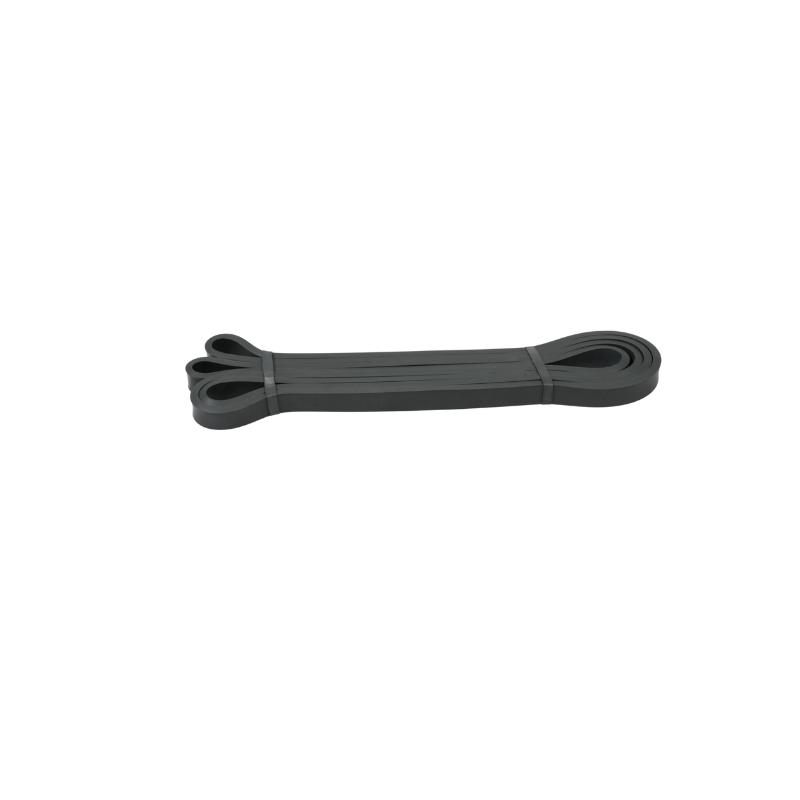
    The foundation of most foot and ankle programmes. Bands let you strengthen the muscles that control the ankle in every direction, seated and at your own pace. Look for a set with several strengths so you can progress.

  • Balance Discs and Wobble Boards

    These retrain the sense of position that keeps an ankle from rolling. Standing on an unstable surface forces the small stabilising muscles to work constantly, which is the part that rarely recovers on its own after a sprain.

  • Massage Balls and Foot Rollers

    For releasing tight tissue through the sole of the foot and easing morning stiffness. Rolling underfoot for a few minutes before you stand up makes those first steps considerably easier for many people.

  • Stretching Straps

    A strap lets you stretch the calf and the back of the ankle properly while seated or lying down, holding a good position without straining. Useful when tight calves are contributing to heel or forefoot pain.

  • Toe Exercisers and Stretchers

    Tools for restoring movement and strength in the toes themselves. Worth having if your toes have become stiff, clawed or weak, since toe strength contributes more to balance than most people expect.

Getting Results From Your Rehabilitation

Equipment is the easy part. These points are what determine whether it works.

Consistency beats intensity, every time. Five to ten minutes daily will do far more than an hour once a week. Tissue adapts to regular loading, not to occasional heroics, and short sessions are much easier to keep up.

Attach it to something you already do. The people who stick with rehabilitation are usually the ones who do their balance work while the kettle boils or their band exercises during the evening news. Willpower fades; habits do not.

Learn the difference between discomfort and pain. Muscles working hard feel tired and a bit achy, and that is fine. Sharp pain, or pain that lingers into the next day, means you have done too much or the exercise is not right for you.

Progress gradually. Once an exercise feels straightforward, make it slightly harder rather than doing more repetitions indefinitely. Move to a firmer band, close your eyes during balance work, or add a small hold at the end of the movement.

Expect it to take longer than you would like. Strength and balance take weeks to build, not days. Most foot and ankle programmes need six to twelve weeks of consistent work before the change feels genuinely solid.

Get a programme if you can. Equipment without a plan tends to become equipment in a cupboard. A single appointment with a podiatrist or physiotherapist will give you the right exercises for your specific problem and save you months of guessing.