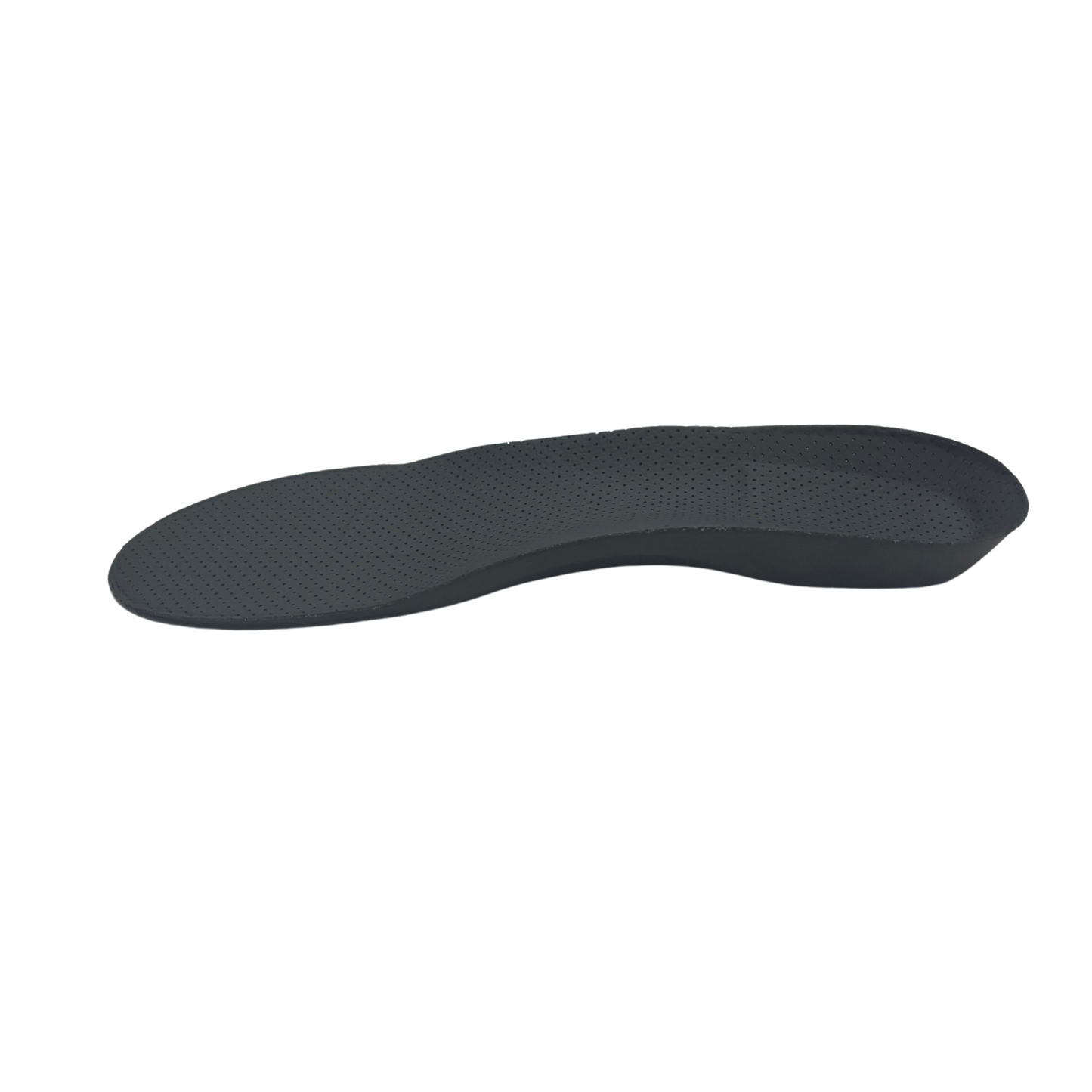
Collection: Orthotics & Insoles

Most foot pain is not really about the spot that hurts. It is about how your weight travels through your foot with every step, and where that load ends up concentrating. Change the way your foot is supported from underneath, and the sore spot often settles on its own.

Our orthotics and insoles range works at that level. Rather than cushioning one problem area, these support the whole foot, spreading load more evenly and taking strain off the tissues that have been doing too much.

Have a browse below, or read our guide further down the page if you are not sure which option suits you.

Orthotics & Insoles

Off-the-Shelf Insoles or Custom Orthotics?

This is the question worth settling first, because it saves both time and money.

Off-the-shelf insoles suit a great many people, and they are the sensible place to start for most. If your feet ache after long days, if you want more cushioning in work boots or trainers, if your arches feel unsupported in flat shoes, or if you have general tiredness rather than a specific persistent pain, a well-made insole often solves the problem entirely. They cost a fraction of custom work and you can try one today.

Custom orthotics earn their place when something more particular is going on. If pain keeps returning to the same spot despite sensible footwear and shop-bought insoles, if your two feet are noticeably different from one another, if you have a structural issue such as a significant flat foot or high arch, if you have arthritis affecting the foot, or if you have diabetes and need pressure carefully redistributed away from vulnerable areas, then a device moulded to your own foot does something no generic insole can.

There is no virtue in going straight to custom if a standard insole would have done, and equally no sense in cycling through six pairs of shop-bought insoles when the underlying issue needs proper assessment. If you are unsure which side of the line you sit on, an appointment will tell you in one visit.

  • Arch Support Insoles

    Contoured to support the arch and control how the foot rolls inward as you walk. The most useful option if your arches ache, your feet tire quickly, or you have heel and arch pain that flat shoes make worse.

  • Cushioned Full-Length Insoles

    Focused on shock absorption rather than structure. Best for long hours standing on hard floors, or when your feet simply feel bruised and tired at the end of the day rather than strained.

  • Sport and High-Impact Insoles

    Firmer through the arch with extra cushioning under the heel and forefoot, built to handle repeated impact. Worth having if you run, play sport, or spend long days walking on hard surfaces.

  • Slim and Dress Shoe Insoles

    Low-profile support designed to fit shoes with limited room. Less cushioning by necessity, but far better than no support at all in work shoes, flats or anything with a snug fit.

  • Custom Orthotics

    Moulded to your own foot following assessment in clinic. These address structural issues, significant differences between your feet, and persistent pain that has not responded to shop-bought support.

Getting Your Insoles to Work Properly

Insoles fail more often through fitting than through design. A few points make all the difference.

Take the existing insole out first. Most shoes come with a thin factory insole, and layering a new one on top makes the shoe too tight and lifts your heel toward the back of the shoe. Lift the original out, put the new one in its place.

Trim to fit, and trim carefully. Use the original insole as a template, mark the new one, and cut a little at a time from the toe end. You can always remove more, but you cannot put it back.

Expect an adjustment period. Supportive insoles change how your foot sits, and that can feel odd or even mildly achy for the first week. Wear them for a few hours a day at first and build up. If discomfort is sharp rather than unfamiliar, stop and get advice.

Match the insole to the shoe. A firm sport insole in a soft casual shoe will feel wrong, and a bulky cushioned insole will not fit a work shoe. Many people keep a pair in each of the shoes they wear regularly rather than moving one pair around.

Replace them when they compress. Insoles wear out well before they look worn out. If the arch feels flatter than it did or your old aches are returning, the support has usually gone even if the insole still looks fine.