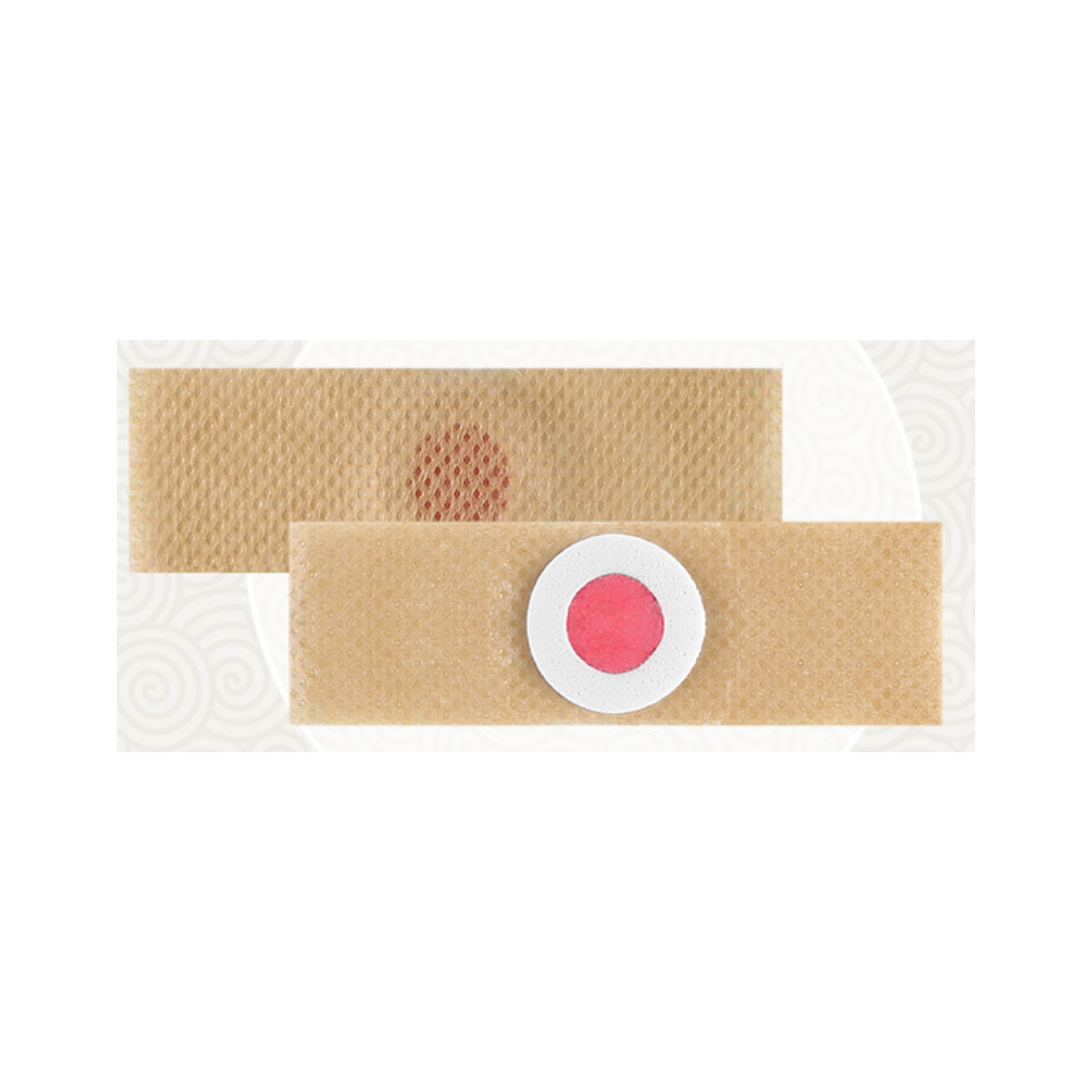
Collection: Corn & Callus Care

Hard skin builds up for a reason. Somewhere on your foot, the same spot is being rubbed or pressed every single day, and your skin thickens to protect itself. The trouble is that the thickened patch then presses back, which is what turns a callus into something you can genuinely feel with every step.

Our corn and callus care range covers both halves of the problem. There are pads and cushions that take the pressure off the sore spot straight away, and files, creams and treatments that soften and reduce the hard skin over time.

Have a browse below, or read our guide further down the page if you are not sure which option suits you.

Corn & Callus Care

Why Corn and Callus Care Needs Two Steps

The most common mistake people make with corns and calluses is treating the hard skin and stopping there.

A callus is a broad patch of thickened skin, usually on the ball of the foot or the heel, where pressure is spread over a wider area. A corn is more concentrated, often on or between the toes, with a firmer centre that presses inward and can be genuinely painful. Both are your skin doing exactly what it is designed to do, which is protect itself from repeated friction.

That means the hard skin is the symptom, not the cause. You can file a callus away completely, and if the rubbing that created it carries on unchanged, it will return within weeks. Anyone who has filed the same patch of heel every month for a year already knows this.

Proper corn and callus care works on both fronts at once. You reduce the existing hard skin so it stops pressing uncomfortably, and at the same time you protect the area so the friction that caused it is no longer reaching your skin. Do both, and the problem settles. Do only one, and you are back where you started before long.

  • Corn Protector Rings and Pads

    Soft rings that surround the corn rather than sitting on top of it, so the pressure is carried by the skin around the sore spot instead of the corn itself. Usually the fastest way to make walking comfortable again.

  • Gel Callus Cushions

    Broader cushioning for calluses on the ball of the foot or heel. They spread the load across a wider area and absorb the impact that caused the hard skin to build up in the first place.

  • Toe Sleeves and Caps

    For corns on or between the toes. A gel sleeve covers the whole toe and stops it rubbing against its neighbour or against the inside of your shoe, which is where most toe corns come from.

  • Foot Files and Pumice

    For gradually reducing hard skin at home. Used gently on dry or slightly damp skin, a few passes at a time, they thin the callus without taking it back to raw skin.

  • Softening Creams and Balms

    Urea-based creams soften thickened skin so it responds better to filing and feels less tight. Regular use makes far more difference than occasional heavy filing.

  • Metatarsal and Forefoot Pads

    If your calluses sit under the ball of the foot, the pressure is often coming from how your weight loads through the forefoot. These pads redistribute that load and address the cause rather than the surface.

Looking After Hard Skin Safely at Home

A few sensible habits will get you better results and keep you out of trouble.

Never cut a corn or callus yourself. Blades and corn planes take off more than you intend, and the wound that follows is far harder to deal with than the hard skin ever was. Filing gradually over several sessions is slower, but it is the safe way to do it.

Be cautious with medicated corn plasters. The ones containing salicylic acid work by breaking down skin, and they do not distinguish between hard skin and the healthy skin around it. If you have diabetes, reduced circulation or any loss of sensation in your feet, do not use them at all, and speak to a podiatrist instead.

Soften first, then file. Hard skin responds much better after a few days of urea cream, or after a bath. Filing dry, tough skin takes far more effort and tempts people into being too aggressive.

Keep going after it improves. Most people stop the moment their feet feel comfortable, which is exactly when the pressure starts rebuilding the callus. A cushion in the shoe and cream a few times a week is what keeps it from coming back.

Check your shoes. If hard skin keeps returning to the same spot, that spot is being rubbed by something. Often it is a seam, a worn insole, or a shoe that is half a size too small.